
What Can a Custom Cold Plunge Dubai Project Include?
Your specification should also account for bespoke recovery pool. Your specification should account for the full recovery pool. The system must suit Dubai’s heat and local water conditions. An outdoor tub gains heat quickly when air temperatures rise above forty degrees Celsius. Strong insulation cuts energy use and helps keep the water cold. A fitted cover also blocks dust, sunlight, and leaves. Marine grade steel resists rust in humid coastal areas. The chiller should match the tub size, target temperature, and daily demand. Poor sizing makes the motor run longer and fail sooner. Good filtration keeps water clear and reduces draining. Safe steps, textured floors, and firm handrails reduce slips. Homes and gyms may also need quiet equipment. A skilled installer checks power, drainage, airflow, and service access before building. Euphorium’s installation service can help buyers plan a plunge around their space and routine. The best design balances safety, cooling strength, comfort, and simple care. For portable setups, compare inflatable ice bath tubs in Dubai.
Your specification should also account for built-in plunge system. A custom cold plunge in Dubai is a full water system and part of the space. It is not just a tub linked to a chiller. The tub, cooling unit, pumps, filters, drains, controls, and surfaces must work together. Each part affects heat, water quality, noise, access, and care. For cooling hardware, review ice bath chillers available in Dubai.
The design may use a stand-alone or sunken tub. It can also use a converted pool or hot tub. Larger projects may place the plunge in a recovery room with a sauna, shower, and other gear. The right choice depends on the site, structure, and planned use. For service scope, see ice bath and sauna repair and installation.
Custom choices include tub size, water depth, seats, entry steps, finishes, lights, controls, and equipment placement. Water flow can use a skimmer, overflow channel, or deck-level edge. These details affect looks, water movement, and plant-room needs.
Custom work makes sense when space is tight, the interior has a clear design standard, or many people will use the plunge each day. It also suits hotels, spas and gyms where the equipment must fit the setting. Unusual temperature, access or recovery-time needs may also justify a custom design. For simpler home use, a complete cold plunge system may need less site work.
The client, designer, architect, MEP contractor and installer should plan together early. This reduces late changes to drainage, power, structure and equipment access. Euphorium’s cold plunge installation guidance explains how space, use and local conditions shape the system. The sections below cover the vessel, cooling plant, filtration, plumbing and build method.
Which Tub Material and Construction Method Should You Choose?
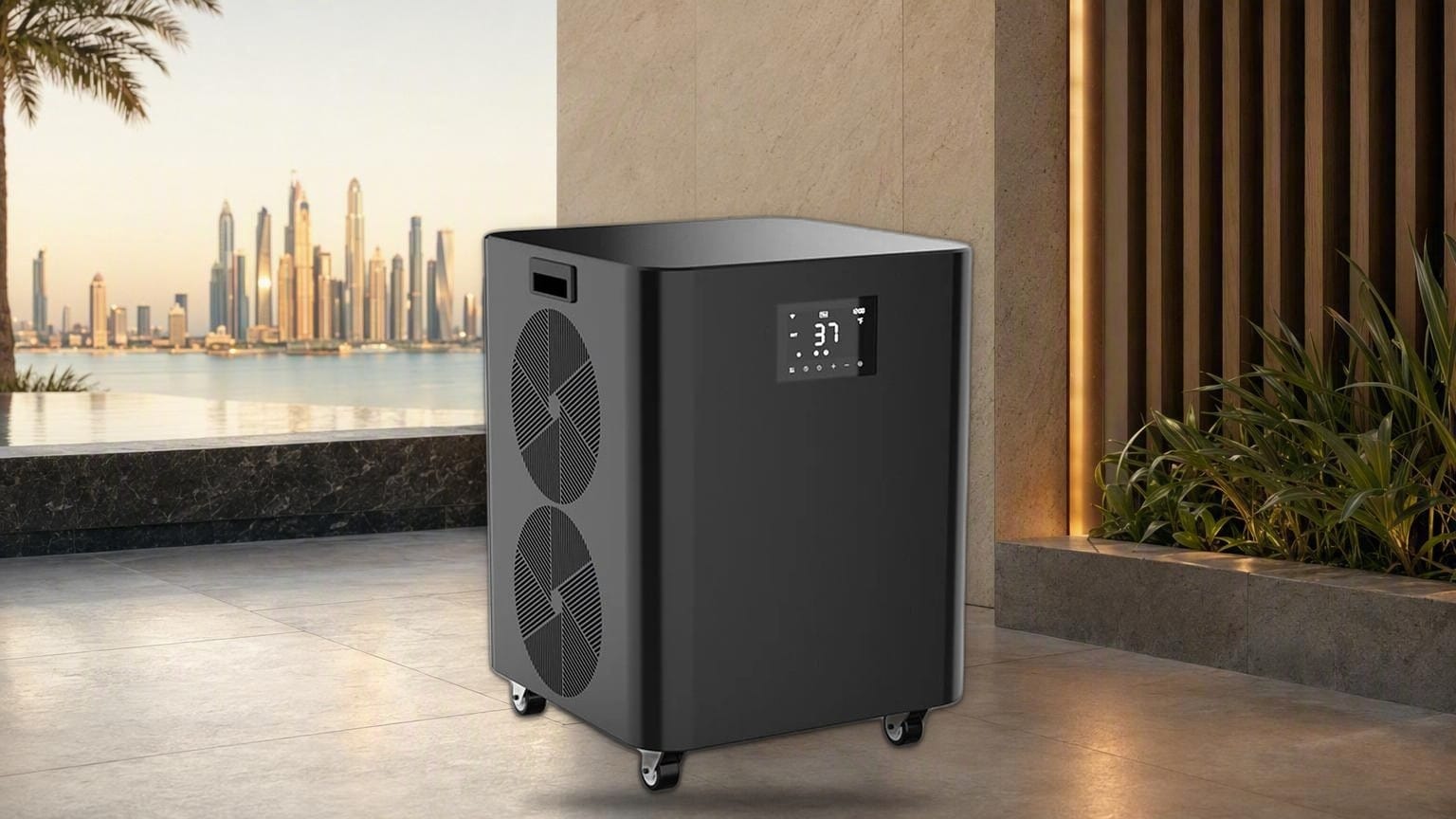
A custom stainless steel tub provides exact dimensions and a clean finish. Its smooth surface is easy to clean and built to last. Builders can plan steps, benches, outlets, and service connections before the tub reaches the site.
Tiled concrete gives more freedom for large or built-in recovery pools. It can follow the room’s shape and match nearby finishes.
Acrylic and fiberglass shells weigh less and install faster. Insulated composite pools can also reduce heat gain. These choices work when a standard shape is suitable or heavy building work is hard.
Circulation and user comfort
A skimmer system is common and simple to use. An overflow channel takes water pushed out when people enter.
Plan comfort and access before fabrication. Check depth, step size, entry, exit, seat position, user count, and water volume. A deep vessel allows fuller soaking but may be harder to enter. Seats and steps reduce usable water space.
Dubai adds material risks. Outdoor heat and UV can damage finishes, hoses and seals. Humidity and coastal air can increase rust. Incompatible metals should not touch in a wet system without proper separation. Covers, insulation and shaded pipe routes reduce exposure. The comparison of indoor and outdoor ice baths in Dubai gives more placement detail.
Choose the vessel by balancing looks, use, access, schedule, and budget. Stainless steel suits exact work. Concrete suits a fixed pool built into the space. Acrylic, fiberglass, and composite shells suit faster projects and standard forms. Every choice needs space for repair and cleaning.
How Should a Custom Cold Plunge Dubai System Be Sized?
Chiller power alone does not show how well a system will work. Sizing must cover water volume, target temperature, outdoor heat, insulation, turnover, user load, and recovery time. A basic tub volume rating cannot predict results on site.
A private villa used several times each day has a different load from a gym, hotel, spa or sports site serving users in a row. Each user adds heat and debris. A commercial design may need faster recovery, longer run times and more reserve capacity. Euphorium’s commercial ice bath guide covers these differences.
A custom cold plunge Dubai system must handle heat from the tub and pipes. It must also handle heat from pumps, users, and surrounding air. Outdoor equipment, sunlit pipes, and hot plant rooms increase the cooling load. These conditions also make heat release more difficult. Insulation reduces heat gain, but cannot correct poor airflow or undersized chillers. The chiller removes heat, while the pump keeps water moving through the system. A heat exchanger can separate water circuits when the design requires it. Pipes need insulation, correct flow sizing, and easy access for service. The equipment area also requires good ventilation for safe, steady cooling. Direct sun and warm refill water can make cooling take longer. High air temperatures across Dubai and the UAE can also extend cooling time. Buyers should request heat-load and water-flow calculations for their exact site. For custom planning in Dubai, buyers can also review ice bath installation options.
Flow must carry heat to the cooling plant and move water through the filter. It should not cause harsh jets, vibration or excess noise. Inlet and outlet positions should also limit still areas. The commercial filtration guide covers heavier use. The filter compatibility guide explains common layouts.
Ask for written heat-load and water-flow calculations. They should link cooling needs, pipe size, pump flow, pressure loss, and ventilation.
Information needed for system sizing
- Water volume: Include the vessel, pipes and any balance tank.
- Target temperature: State the operating set point.
- Operating hours: Define daily and weekly use.
- User load: Estimate users per hour and consecutive sessions.
- Position: Confirm whether the plunge and plant are indoors or outdoors.
- Plant distance: Measure the full pipe route.
- Electrical supply: Confirm the available supply and route.
These inputs let a specialist compare cooling, water flow, insulation and recovery time as one system. To scope a custom build, request an ice bath installation assessment.
How Should Controls and Service Access Be Planned?
Controls should match the way the plunge will be used. A private system may need a clear temperature setting, pump control, and simple alerts.
The design should show how the system starts, stops, and responds to a loss of flow. Pumps, chillers, and treatment gear must work in the correct order.
Service access affects the finished layout. Filters need room to open.
Plan the route for draining and refilling the plunge. Water should move to a suitable drain without crossing rooms or finished floors. The design should also allow air to leave the pipes during filling. Trapped air can reduce flow and make pumps noisy.
A handover pack should include drawings, equipment details, control instructions, and a service schedule. It should also record valve positions and the main settings used at startup. These records give technicians a clear base when checking a fault. Owners who already have a system with poor cooling, leaks, noise, or flow problems can request cold plunge repair and system inspection.
What Filtration and Water Treatment Does the Project Need?

A custom cold plunge Dubai system needs active water care at all times. Low temperatures do not remove sweat, skin oils, hair, dust, or other matter. A strainer catches large debris before it moves through the system. A cartridge or media filter removes smaller particles from the moving water. Disinfection remains a separate task from filtering particles. A controlled sanitiser level treats water throughout the full circulation loop. UV or ozone can support treatment when correctly sized and maintained. The design must consider user load, turnover, filter capacity, and recovery time. All materials touching water must suit the chosen treatment method. These materials include steel, seals, and heat exchangers. This planning matters for custom systems throughout Dubai and the UAE. Good planning helps each plunge stay clean, safe, and ready for users. For tailored system advice, owners can review cold plunge filtration options.
A lightly used private plunge may need a compact filter and simple testing. A shared recovery suite has a different load. Each user adds debris and changes water chemistry. The system must recover between busy periods without losing flow or clarity. The commercial cold plunge filtration guide explains the main choices.
Sanitizer strength, pH, and contact time must stay within system limits. Too much treatment can damage seals, metal, and heat exchangers. Weak or uneven treatment can leave water cloudy. Sample points should be easy to reach and placed where readings are useful.
Dosing gear, filter drains, backwash routes and service space belong in the first plant-room design. Adding them later can lead to exposed hoses or hard service work. Commercial operators should also check authority, facility and operating rules. Do not assume home equipment is fit for public use. The written plan should cover testing, cleaning, filter service, water changes, records and contamination events. See the Dubai commercial cold plunge regulations guide.
What Plumbing, Electrical and Site Work Must Be Planned?
Site work must be complete before plunge parts are made. Plans should show power, water, drains, flow lines, the equipment base and air vents.
Equipment beside the tub keeps pipe runs short and can reduce heat gain. It may place pump and fan noise near the user.
Hidden lines need pressure tests before walls, floors, or woodwork cover them. Records should show that joints and fittings passed the test.
Electrical work near water needs clear planning between the supplier and qualified contractors. Protection, isolation points, cable routes and equipment must suit the wet area. The indoor and outdoor cold plunge guide covers heat, drainage and weather exposure.
Access panels should allow parts to be removed, not just viewed. A technician may need to take out a pump, filter housing or heat exchanger without cutting finished panels. Hidden equipment must still allow cleaning, testing and repair. Euphorium’s UAE chiller selection guide explains how heat, sunlight, insulation and user load affect the system.
Pre-construction checklist
- Confirm architectural, structural and MEP drawings.
- Check clearances, airflow and component removal space.
- Verify delivery routes, doorway sizes and lifting plans.
- Confirm the structure can support the filled vessel and users.
- Check drainage, falls and waterproofing points.
- Approve power supply, protection and local isolation.
- Identify required building, facility and authority approvals.
- Assign testing, filling, balancing and startup duties.
- Agree who will provide records and staff training.
How Much Does a Custom Cold Plunge Cost in Dubai?
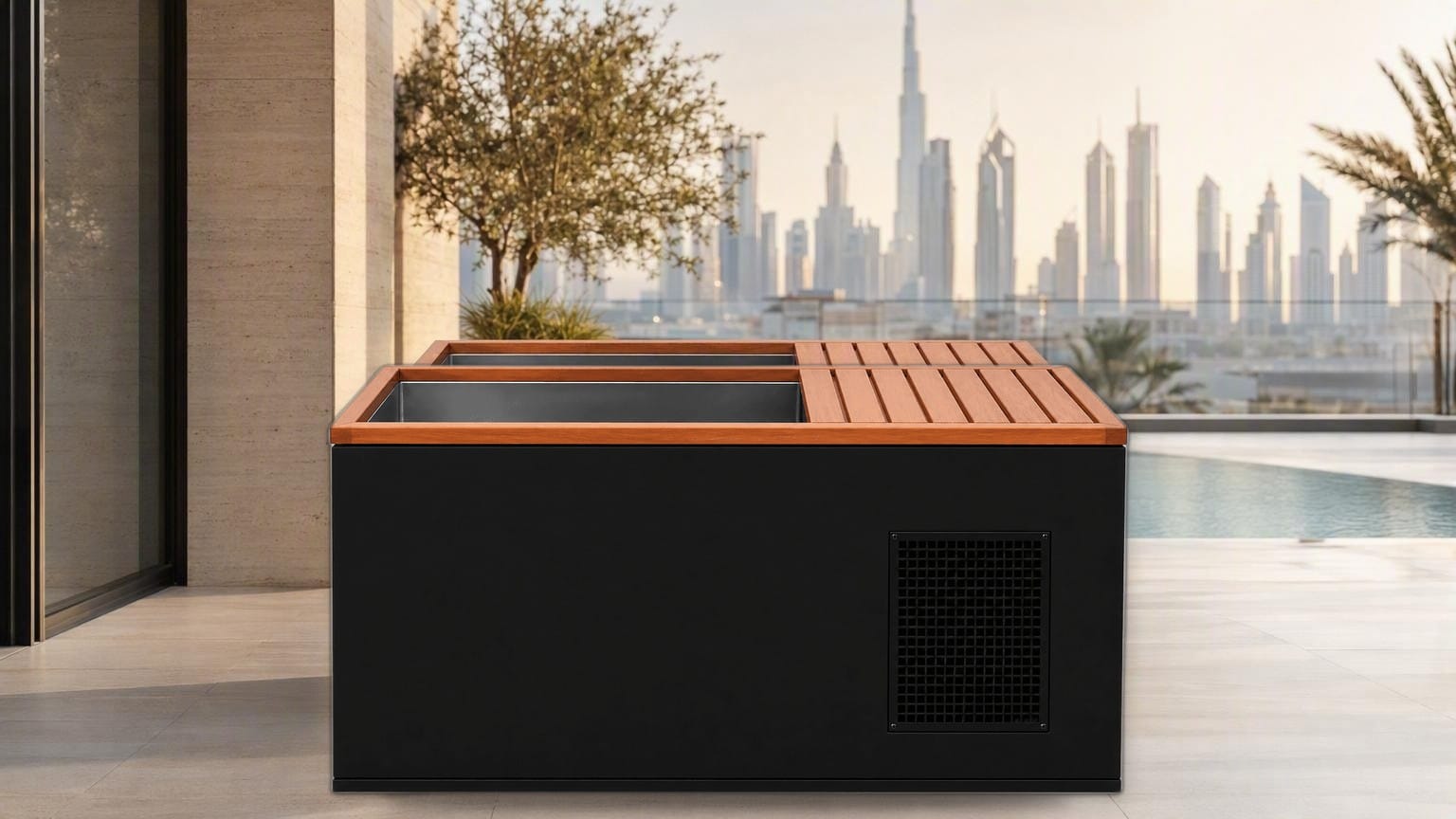
The cost depends on vessel construction, size, finish, cooling capacity and filtration. Pipe distance, site access and building work can also change the final figure. A complete standard system is listed at AED 7,500 including VAT. This is subject to confirmation of its setup, stock, warranty and delivery scope. It is not a fixed quote for a custom build. The Dubai cold plunge cost guide gives more budget detail.
An itemized proposal should list design, engineering, vessel work, mechanical equipment, and water treatment as separate costs. MEP work, finishes, delivery, installation, and startup also need their own costs. This makes offers easier to compare and shows whether testing and handover are included.
A low equipment price can lead to higher lifetime costs if the chiller is too small, insulation is weak, or parts are hard to reach. Long run times cause more wear.
New builds give more control over drains, pipes, airflow and power. Retrofits can cost more when finishes must be removed. They may also need waterproofing repairs, new pipe routes or power upgrades. This work may cost more than the tub or chiller.
For an exact proposal, share the site location, drawings, photos and planned user count. State the target water temperature, run time, vessel material and desired finish date. Compare warranties, local support, spare parts, startup work and upkeep duties.
Homeowners, designers, gyms, spas and hospitality operators can request a site assessment and itemised specification through cold plunge installation in Dubai.
Frequently asked questions
How much does a custom cold plunge cost in Dubai?
Pricing depends on the vessel, cooling load, filtration, finishes, and site work. A full standard system costs AED 7,500, including VAT. A custom setup needs a site-specific itemized quote.
What size chiller do I need for a custom cold plunge in the UAE?
Chiller size depends on water volume, target temperature, ambient heat, insulation, sunlight, pipe length and user load. Vessel volume alone is not enough. Review the chiller sizing guide.
Can you build a cold plunge into an existing pool or jacuzzi?
The project may be possible. First, assess the shell, pipes, waterproofing, drains, and equipment space. It may need separate flow, cooling, and treatment systems.
Is stainless steel or tiled concrete better for a cold plunge?
No material works best for every project. Stainless steel creates a built vessel with controlled joints. Tiled concrete can fit the building’s design. Review structure, waterproofing, finish, water treatment, access, and repair needs.
What filtration system does a commercial cold plunge need?
A commercial system needs debris removal and disinfection. Both must fit the real user load. Turnover, recovery, dose control, test access, and operating rules all matter. UV or ozone may support treatment, but filters and water care are still needed.
How long does a custom cold plunge installation take?
Timing depends on design approval, parts, equipment, site readiness and building work. A retrofit may need demolition or waterproofing repairs. It often takes longer than a ready new-build site. Set the finish date after reviewing drawings and access.
One Response