
Why a Commercial Ice Bath Filtration System Matters
A commercial ice bath filter system treats and moves water nonstop. It is built for repeat use in gyms and recovery studios. Spas, hotels, sports clubs, and wellness sites also use it. Water leaves the plunge and flows through treatment gear. It then returns clean and cold. This cycle must run through the full workday.
A domestic plunge with a small cartridge filter is rarely suitable for a busy Dubai venue. Each user adds sweat, skin oils, cosmetics, hair, dust, and other organic matter. A high number of users can add this material faster than a small filter can capture it. The result may be poor flow, cloudy water, odour, and more frequent water changes.
A business ice bath filter system keeps water clear and clean. It also supports steady cooling and helps customers feel confident. But clear water is not always safe. Some harmful germs are too small to see. Cloudy water is more than a problem with looks. It can show weak water flow or a full filter. It can also show poor water balance or weak cleaning. Several of these issues may happen at the same time.
A commercial ice bath filtration system has three separate jobs around it. Filtration removes suspended particles. Sanitation controls microorganisms. The chiller removes heat. One part cannot replace the others. UV and ozone, for example, do not collect hair or dust. A filter does not provide reliable disinfection. A chiller can cool dirty water without making it safe.
Dubai adds heat, airborne dust, heavy cooling demand, and frequent movement between indoor and outdoor areas. These conditions can increase debris and heat entering a shared plunge. A 2026 study in Experimental Physiology examined cold-water immersion before exercise in a hot setting and tracked body temperature, sweat, and heat storage. In plain terms, cold immersion changes how the body handles heat and sweating. For a Dubai operator, that means users may enter the plunge before or after hot exercise while carrying sweat and salts. The practical issue is water treatment, not just water temperature.
When a system is too small, the venue may face blocked heat exchangers, reduced flow, biofilm, longer chiller runtimes, complaints, avoidable closures, and repeated draining. Choosing filtration is therefore an engineering and operating decision, not a simple filter-brand comparison. Operators planning the full facility can use the commercial ice bath guide for Dubai businesses to review the wider setup.
How Commercial Ice Bath Filtration Systems Work
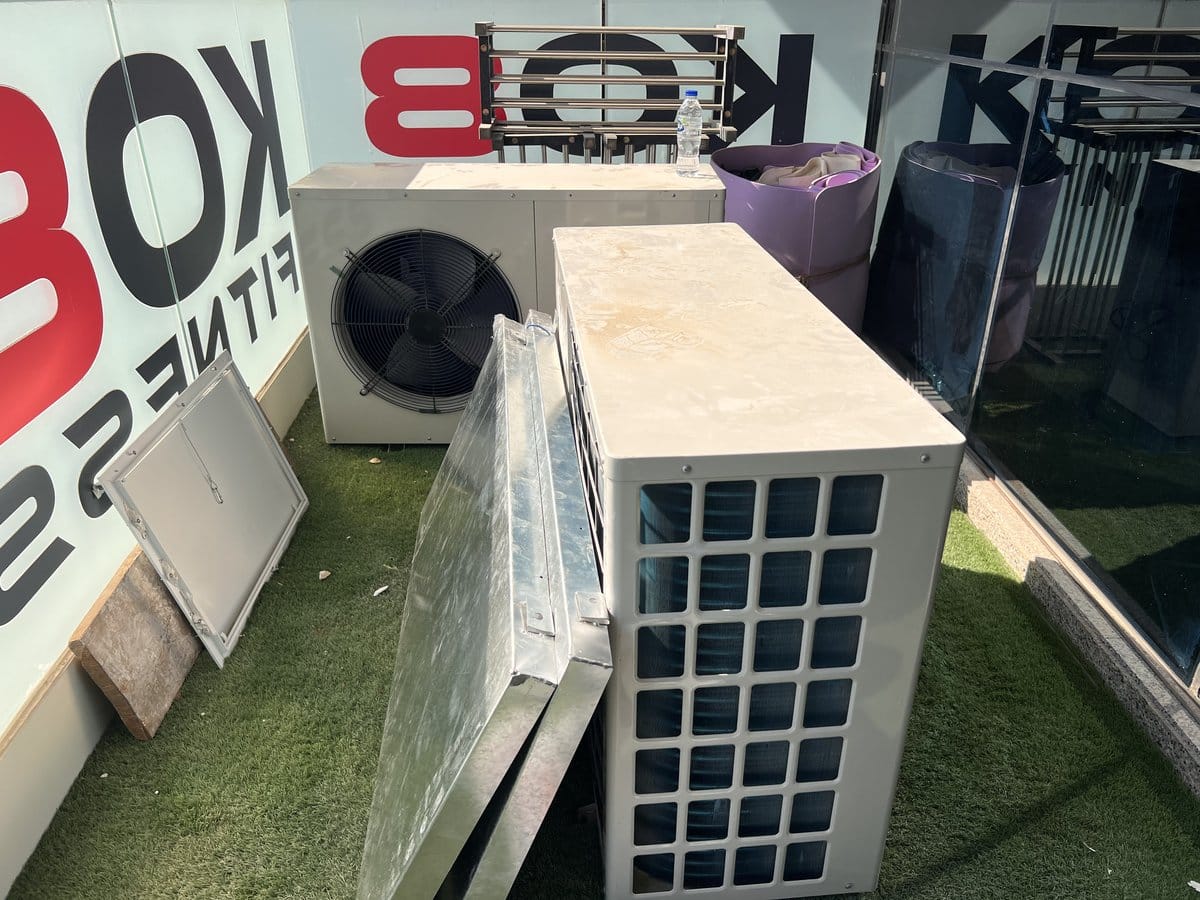
A commercial ice bath filtration system normally follows a complete circulation loop:
- Water exits the plunge through a protected outlet.
- A circulation pump draws water into the treatment loop.
- A pre-filter or strainer catches larger debris.
- The primary filter removes smaller suspended particles.
- Sanitation equipment treats microorganisms.
- The chiller or heat exchanger removes heat.
- Treated water returns to the plunge.
- Optional controls monitor flow, temperature, pH, or disinfectant levels.
Turnover means how often all vessel water passes through treatment. The needed turnover must match the true number of bathers. Do not base it only on an appealing labeled pump flow. Pump flow ads often use tests under ideal conditions. Actual flow drops with long pipes, bends, and fittings. Height changes can also reduce the flow. So can filter drag, chiller pressure loss, and dirty media.
Mechanical filters include cartridges, bags, sand, glass media, and staged systems. Cartridge filters fit small plant areas and catch fine material. However, they need frequent cleaning or replacement. Bag filters hold more debris and are easy to inspect. Media filters work well in larger commercial systems. However, they need more space and may use water during cleaning. Staged systems use a coarse filter before a finer filter. This setup can prevent fast blockage from hair, dust, and solids.
Cleaning may use set doses of chlorine or bromine. It may also use UV, ozone, or a planned mix. UV treats water only as it passes through the lamp chamber. Ozone works during treatment but may not stay in the tub. It may not leave lasting protection against germs. Neither method removes dirt or other solid waste. Shared cold water still needs active hygiene care. Cold may slow some germ growth. However, it does not make the water clean itself.
A 2026 study of unilateral forearm cold-water immersion recorded blood-flow changes in both arms during exposure. The study supports a simple point: even local cold exposure produces measurable body responses. In a Dubai recovery venue, operators should treat each session as real physical exposure, not casual contact with cold water. Water quality, safe operation, and clear user rules still matter.
Good hydraulic design also needs balanced outlet and return positions, limited stagnant zones, safe suction velocities, accessible isolation valves, and unions that technicians can service. During commissioning, measure actual flow, pressure difference across the filter, water temperature, disinfectant level, and pH. Equipment labels alone cannot confirm that a commercial ice bath filtration system works under real conditions. For system installation support, review commercial ice bath installation in Dubai.
Sizing a Commercial Ice Bath Filtration System
Start sizing with demand. Record the vessel volume and expected users each hour. Note the session pattern, operating hours, and shower rule compliance. Set the target water heat and an acceptable maintenance schedule. These facts guide design better than vessel size alone.
Water turnover and swimmer limits are not the same. A small plunge may serve many customers in quick succession. It may need stronger treatment than a larger tub. The larger tub may be used only a few times daily. A small tub has less water to dilute sweat and oils. It also has less water to dilute debris between sessions.
To set starting flow, divide vessel volume by desired turnover time. Then account for total dynamic head and filter loading. Include chiller resistance and expected losses as filters collect dirt. The final commercial ice bath filter system must meet required flow. It must do so at its real duty point. Do not judge it using clean filters and short pipes alone.
Planning Example for a 1,000-Litre Plunge
For a Dubai commercial ice bath filtration system, consider a 1,000-litre plunge. Several customers use this plunge each hour in this planning example. It is not a fixed rule for every plunge in the UAE. First, the operator chooses a suitable turnover time for expected bather load. The site’s hygiene plan also guides this important operating choice. Required flow is then calculated from the full 1,000-litre water volume. Next, the designer checks flow loss through pipes, fittings, and filters. Cleaning gear can reduce flow, and the chiller can reduce it too. The chosen pump must still reach its duty point after every loss. Startup tests then confirm whether the complete design works under real conditions. Operators can review suitable system planning options at euphorium.ae for local projects. This process helps support steady filtration during busy commercial bathing periods in Dubai.
For a commercial ice bath filtration system, pump selection should cover:
- The pump curve and expected duty point
- A rating for continuous operation
- Noise near treatment or guest areas
- Energy efficiency
- Compatibility with water-treatment chemicals
- Dry-run and low-flow protection
- Access to replacement parts in the UAE
A commercial ice bath filtration system must be sized for vessel volume and real use, because turnover alone does not describe the amount of sweat, oil, dust, and debris entering the water. Filter area and dirt-holding capacity affect how long useful flow can be maintained. A very fine filter may look safer on paper, yet rapid clogging can starve the circulation pump and reduce flow through the chiller. Dubai heat makes this link important. Lower flow weakens heat transfer, extends chiller runtime, and may trigger low-flow protection during a busy period. Operators should set the design around the busiest credible session pattern, then confirm actual flow, pressure, temperature, pH, and disinfectant level during commissioning. Arbitrary oversizing is not a complete answer because larger equipment adds cost, space, and hydraulic complexity. Guidance from euphorium.ae can help a UAE venue compare filtration, sanitation, cooling, access, and maintenance as one working system before installation begins.
Filter area matters as much as its stated particle capture. A finer filter is not always better. If it clogs fast, the pump or chiller may lack water. More filter area can allow more time between cleanings. It can also help keep water flow steady. The right choice depends on how much debris is present. Staff capacity and plant-room space also matter. The planned service routine matters too.
Busy recovery clubs, team sites, and guest sites may need more systems. They may use parallel filters or filters set in stages. They may also need surge space or several treatment loops. Parallel filters add area and support planned service work. Separate loops help keep one vessel apart from another. Yet each added part brings more valves, links, and controls. It also adds more service needs.
Chiller sizing and filtration must be reviewed together. Restricted flow reduces heat transfer. It can cause low-flow alarms and prevent the water from reaching its target temperature during peak use. The Dubai ice bath chiller guide covers cooling options and common performance limits in more detail.
Design for the busiest credible operating period, not the average day. Avoid arbitrary oversizing, which can increase footprint, cost, and hydraulic complexity without fixing poor pipework or weak operating controls. If an existing system has unstable flow, blocked filters, or poor cooling, request an commercial ice bath repair assessment.
Components Dubai Operators Should Specify

A commercial ice bath filter system needs a written equipment list. Specify a commercial-grade pump and an easy-to-reach pump strainer. Include a correctly sized filter housing and replaceable filter media. Add proper sanitation gear, temperature controls, and flow checks. Add pressure gauges, isolation valves, and unions. Use a safe electrical control panel. Choose each part based on needed flow and total pressure loss. Do not use the vessel size alone.
All parts touching water must resist rust and other damage. They must work with the chosen water treatment. This includes pipes, seals, pump parts, filter cases, and heat exchangers. Salt, ozone, germ killers, and strong cleaners can cause damage. Poor metals, plastics, or rubber may fail. Written proof of material fit is more useful. A broad claim of water use is not enough.
Add a clear flow meter or a flow sensor with readings. A running pump does not prove water flows at the needed rate. Airlocks, blocked strainers, dirty filters, or partly closed valves reduce flow. Yet, the pump motor may keep running. Place pressure gauges before and after the filter. These gauges help staff track dirt buildup in the filter. A growing pressure gap is a useful warning sign. It may mean the filter needs inspection or service.
The plumbing plan should include safe drains, filling, and backwash where needed. Staff must isolate, clean, and replace parts without flooding the treatment room. They should not need to remove fixed pipes. Place unions where parts may need removal. Drains must handle the expected flow without water pooling near electrical gear.
Dubai systems also need shields from hot plant rooms and direct sun. They need protection from dust and harsh outdoor conditions. Leave space for air around pumps, chillers, and control panels. Plan drains, noise control, and weather guards with clear service access. A cramped decorative cabinet can turn basic filter cleaning into long shutdowns.
Electrical planning should cover suitable circuit protection, earthing, water-resistant enclosures and separation between wet and electrical service zones. Qualified professionals should confirm the final design. Useful automation can include dosing control, temperature alerts, low-flow cut-outs, pump schedules and remote fault notices. Sensors still need calibration and manual checks. See the ice bath installation guide for chiller placement, plumbing, drainage and electrical planning.
Water Sanitation, Testing and UAE Compliance
Before customers enter, the operator should check all current rules. Rules may vary by facility type, activity, and approval agency. Check Dubai rules or those for the right UAE emirate. A commercial ice bath filter alone does not ensure approval. Approval also depends on work steps and staff training. It also needs test records and steps to fix problems. The full water treatment system must also be managed well.
A site water plan should set shower rules before use. It should cover filters, germ control, and pH checks. It should set test times, cleaning, and incident response steps. The plan should state when to replace the water. Routine checks may cover disinfectant levels, pH, clarity, and temperature. The local authority may require more chemical or germ tests. Site standards may also require these added tests. Do not use one target for every site. First, check the approved design and all local rules.
A commercial ice bath filtration system protects water quality only when circulation, sanitation and daily control work together. The filter removes suspended material, but it does not replace disinfectant control, cleaning or staff testing. Sunscreen, sweat, cosmetics and body oils add contamination and increase oxidant demand. Biofilm can also grow inside pipes, jets, balance tanks, filter housings and unused branches, where surface wiping cannot reach it. For a Dubai or UAE operator, euphorium.ae recommends a site-specific plan that records water tests, cleaning, filter service, chemical additions, faults and corrective work. Staff should complete checks before customer use, continue checks during operating periods and follow a closing procedure after the final session. Written escalation limits must state when customer use stops. UV or ozone should remain a supporting barrier unless the approved design and operating protocol clearly establish another role. Sensors require calibration, and manual verification remains necessary when readings appear normal but water condition changes.
Swimmer actions can change water chemistry fast. Shower rules reduce sunscreen, oils, cosmetics, and sweat in the pool. These pollutants can raise the need for disinfectant. They can also cause bad smells or combined disinfectant problems. Cloudy water, odd smells, unstable chemistry, or slick surfaces need checks. Find the cause before adding a larger chemical dose.
Cold use also affects how facilities plan sessions. A 2026 heat-exercise study tested ten recreational athletes and found that cold-water arm immersion reduced rectal temperature by 0.15°C more than the control during cooling. In Dubai, this supports treating cold exposure as a controlled session, especially around exercise in heat. It does not remove the need for screening, supervision or clean water.
A separate 2026 strength-training study compared ten minutes of cold-water immersion with active recovery in nine males. Some blood markers differed after cold use, but post-exercise redox-related gene expression did not differ between conditions. In practical terms, operators should avoid broad recovery promises and focus on a clean, controlled service. Use the commercial ice bath regulations checklist to prepare questions for the relevant authority.
Maintenance, Faults and Operating Procedures
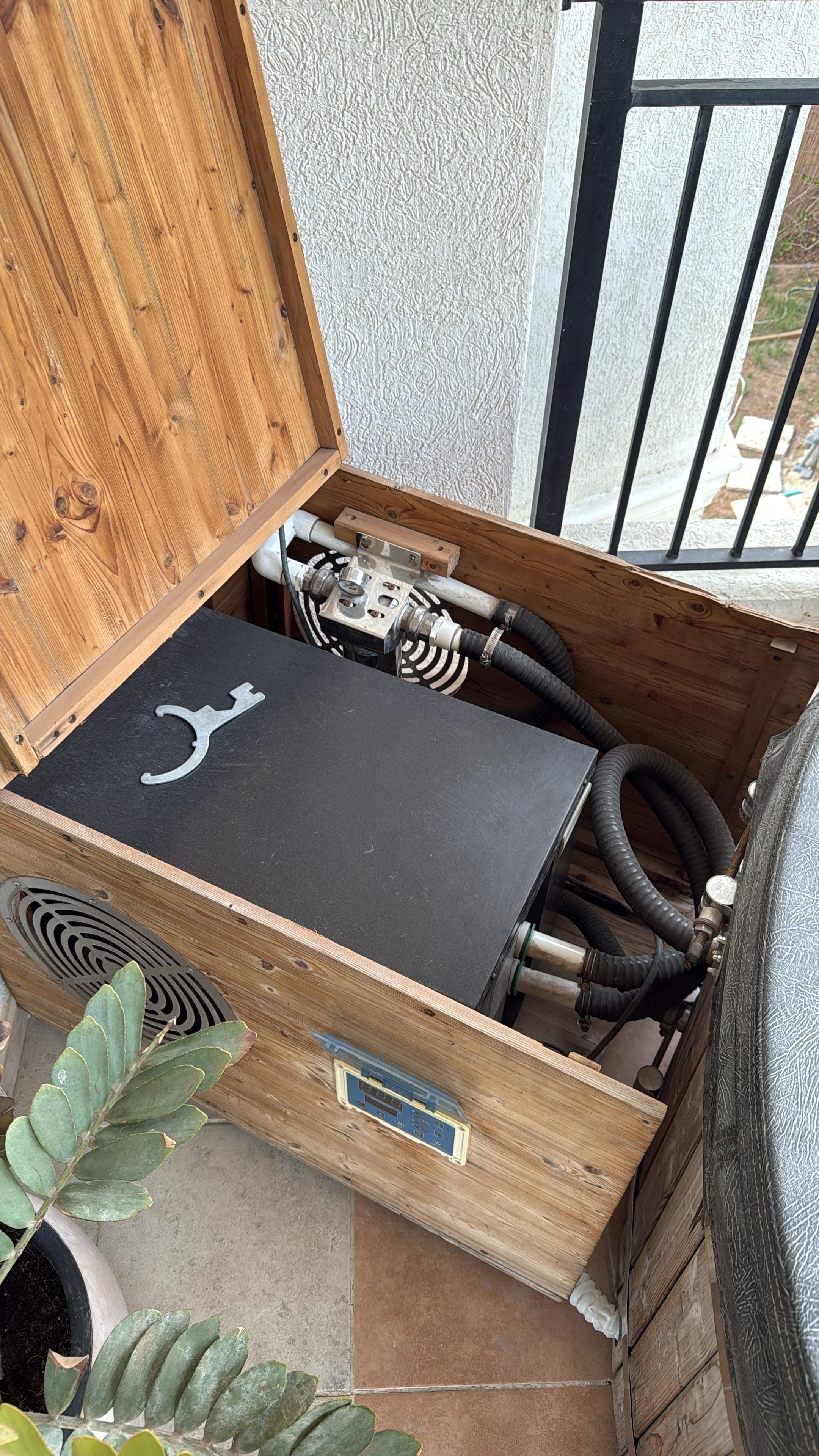
Maintenance should follow a clear routine. Check water, heat, flow, and equipment before customers use it. During the day, watch clarity, return flow, sounds, and alarms. Clean contact surfaces after the final session. Service filters when their condition shows a need. Plan deep cleaning and technical inspections. A written standard operating procedure should name each task owner.
Do not service a commercial ice bath filter by calendar alone. Use actual flow and pressure differences. Also check water clarity and the maker’s limits. A cartridge may fill faster during peak use. It may fill faster when users skip showers. Dust can also enter an ice bath left uncovered. Keep the right spare cartridges on site. Filtration can restart while used media gets cleaned and dried. Follow the maker’s steps for this work. Replace media that is damaged, bent, or worn out. Do not force it through one more cleaning cycle.
Warning signs include falling return flow, pump noise, and air bubbles. Other signs include rising filter pressure, low-flow alarms, and slow cooling. Cloudy water, odor, slick surfaces, and unstable chemistry are also signs. These signs may share one cause. For example, a dirty filter adds resistance and cuts water flow. Less flow can reduce heat transfer, so the chiller runs longer. This can raise energy use without fixing the water problem.
If cleanliness is in doubt, stop all customer use. Check the water level and valve positions. Then inspect the pump strainer and filter. Check for trapped air, leaks, and blocked lines. Measure real flow. Pump noise does not prove water is moving. Trained experts must handle electrical and cooling faults. Never bypass a low-flow shutoff or safety device. Do not keep an unsafe unit running.
Backup plans should cover low filter stocks and dosing faults. Include pump failures, water quality issues, and peak demand times. State who can stop use and call technical support. Explain how staff should handle water that may be unsafe. Keep test results and filter change records together. Include cleaning logs, fault reports, and repair records. Repeat faults may show that filter capacity needs changes. Steps or allowed user volume may also need changes.
The commercial ice bath filtration system should also receive planned inspection of valves, unions, seals, gauges, sensors and electrical enclosures. Staff should know which checks they may complete and which require a service technician. Detailed care schedules are available in the cold plunge maintenance guide. For diagnosis and corrective work, use the commercial repair and installation service.
Costs, Procurement and Questions to Ask Suppliers
A commercial ice bath system costs more than filters and pumps. Plan for design, filter housing, media, and sanitation gear. Also budget for controls, pipes, wiring, and setup tests. Ongoing costs include supplies, tests, labor, water, and power. They also include lost time when the system is down. A low equipment quote may later become costly. It may leave out water flow design or installation materials. It may also exclude access needs, final setup, or staff training.
Compare cartridge, media, and staged filters for long-term operating needs. Review replacement rates, cleaning work, backwash water use, and space needs. Also check reliability and access to local parts. A small unit has poor value if UAE filters are scarce. It also fails if filter removal means taking apart the cabinet.
Ask each supplier for a written performance plan. It should list vessel volume and the expected bather load. Include the needed turnover and actual design flow. Also list the target water temperature and operating hours. State the planned water treatment method. Before approval, request drawings that show all pipe sizes. They must show part order, valves, drains, and access space. They must also show all electrical needs.
Questions for the supplier
- What is the pump duty point after all expected pressure losses?
- How will actual flow be measured and verified?
- What reading or condition triggers filter service?
- Which filters, seals and other consumables are stocked in the UAE?
- What happens automatically if flow falls?
- Who commissions the sanitation system and trains staff?
- Which warranty exclusions apply to water chemistry, restricted flow, outdoor exposure, poor ventilation or unauthorised chemicals?
A retrofit can be sensible when the vessel is sound and the plumbing route allows a properly designed treatment loop. Replacing an improvised residential loop may be more dependable when components are undersized, access is blocked or the layout cannot support safe isolation and drainage. The Dubai commercial re-engineering case shows why circulation, cooling and treatment should be diagnosed as one system. Replacing isolated parts can miss the cause of repeated faults.
Procurement checklist
- Document bather load, operating hours and target temperature.
- Confirm design flow, pressure losses and flow verification.
- Check material and chemical compatibility.
- Confirm sanitation controls, alarms and commissioning scope.
- Approve service access, drains and electrical protection.
- Verify UAE stock of filters and critical spare parts.
- Record training, warranty terms and maintenance duties.
For a site assessment, system design, installation or corrective re-engineering, contact Euphorium through the commercial services page.
Frequently asked questions
What filtration system do I need for a commercial ice bath in Dubai?
You need a commercial ice bath filter system.
Size it for bath volume, user load, and run hours.
Also account for total pipe resistance.
It needs proven water flow and the right filter media.
Add sanitation, gauges, shutoff valves, drainage, and safe controls.
How often should I change the filter in a busy commercial cold plunge?
Set the service point using flow, pressure gaps, and water clarity. Follow the filter maker’s limits. Busy times can clog filters faster. Keep spare filter media ready. Record each cleaning or replacement.
Can UV or ozone keep a commercial ice bath clean without chlorine?
Use UV and ozone as added safety steps. Follow approved plans if they say something else. Check the needed method and test limits with the proper authority. Do this before users enter.
How many times per hour should commercial ice bath water circulate?
No single turnover rate works for every facility. The needed rate must follow the approved design and bather load. It must also match vessel volume and the treatment method. Measure actual flow after all system pressure losses.
Why is my commercial ice bath cloudy even though the filter is running?
The pump may run while an air lock limits water flow. A dirty filter, blocked screen, or closed valve can also restrict flow. Cloudy water may come from high levels of swimmer waste. Other causes include poor chemical balance, worn-out filter media, or biofilm. Stop use if you are unsure the water is clean. Then check the whole system to find the cause.
How much does a commercial ice bath filtration system cost in Dubai?
Cost depends on design flow, filter type, cleaning, controls, and pipes. It also depends on electrical work and system startup. Ask for a full cost estimate for owning the system. Include filter media, tests, labor, water, power, and downtime.
3 Responses