
Cold Plunge Repair Dubai: Start With the Symptoms
Most cold plunge repair Dubai requests start with the same need. Find the fault fast and bring back steady cooling. Then check if parts need cleaning, repair, or full replacement. Start with the symptom to find the cause. Common signs include water that stays warm or flows poorly. Other signs include loud sounds, leaks, or cloudy water. Error codes may return, or the system may trip breakers.
Cooling, filtration and water flow work as one system. Restricted flow reduces the amount of water passing through the heat exchanger. This can slow heat removal, cause unstable temperatures and trigger a protection mode. A working chiller may then appear defective. For this reason, a technician should check the full water path before deciding that the refrigeration system has failed.
Quick checks before requesting a diagnosis
- Confirm the target temperature on the controller.
- Measure or note the actual water temperature.
- Check the tub water level and look for visible leaks.
- Confirm whether the circulation pump is running.
- Record every displayed fault code before restarting the unit.
- Note when the issue began and whether it followed cleaning, draining or plumbing work.
Dubai conditions can place a heavy load on a plunge system. High outdoor temperatures, direct sun, dust, poor ventilation and hot plant rooms can reduce cooling performance. Equipment that is too small for the tub volume may also run for long periods without reaching the set temperature. These conditions do not always mean the chiller is damaged, but they must be included in the diagnosis.
Owners can do visual checks and clean filters if the maker allows. Turn off power before opening service areas or touching wet connections. A trained technician must fix electrical faults and handle refrigerant work. They must also fix ongoing leaks or repeated breaker trips. Stop using the system if you smell burning. Also stop for damaged cables or water near electrical parts.
A repair company will usually ask for the brand, model, installation location, tub volume and desired temperature. Clear photos or videos of the controller, plumbing and leak area are useful. Share recent maintenance work and any changes made before the fault appeared. These details help the technician prepare for a cold plunge repair assessment.
Cold exposure also affects the body quickly, so reliable temperature control matters. A 2026 microvascular study placed one forearm of 30 healthy adults in 5°C water and measured blood flow in both hands. The study found clear blood-flow responses during the cold exposure. In practical terms, users should know the real water temperature before entering. A misleading sensor reading is not only a repair issue. It can change the exposure a person receives.
Why Your Cold Plunge Is Running but Not Cooling
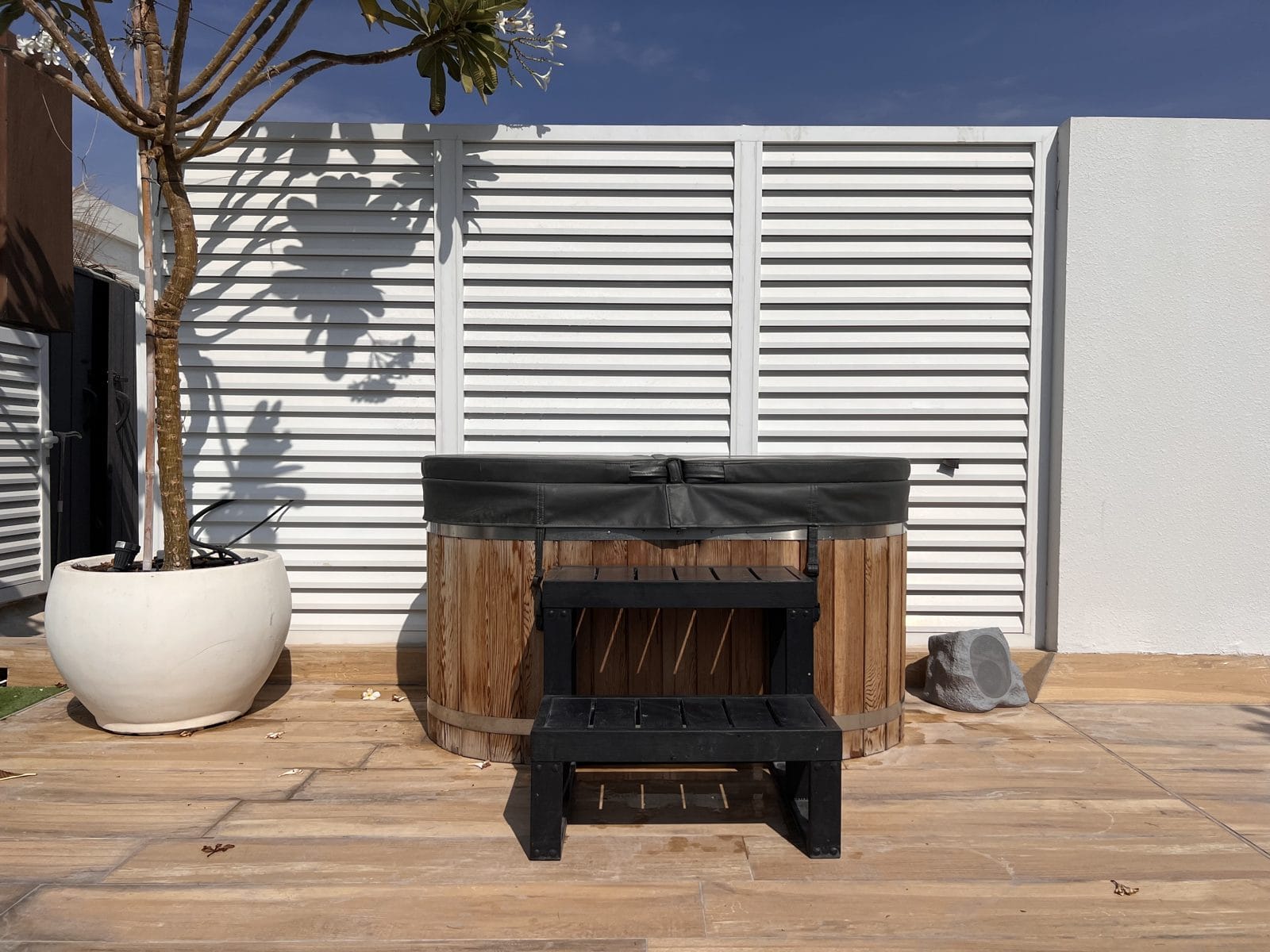
Cold plunge repair Dubai starts by finding the exact fault before replacing any parts. A unit that will not start has a unique problem. This fault differs from a unit that runs but stays too warm. A no-start fault may come from the power supply or control unit. It may also involve a safety switch or other electric parts. A unit running nonstop often points to poor air or water flow. It can also mean wrong readings from sensors or related controls. Trouble within the cooling system may also cause nonstop running. Sometimes the cooling need is greater than the unit can handle. A technician should test each likely cause in a clear order. This protects owners from paying for parts that do not solve anything. Dubai and UAE heat can also raise the cooling load. Proper airflow and water movement must be checked during every visit. For local service details and support, visit euphorium.ae.
Airflow and installation conditions
A chiller must release heat into the surrounding air. Dust on the condenser fins can restrict that process. Walls, cabinets or stored items placed too close to the unit may block the intake or exhaust. In an enclosed area, discharged hot air can return to the condenser. The system then tries to cool water while drawing in air that it has already heated.
Direct sun, Dubai summer heat and a hot plant room can add to the load. An undersized chiller may remain operational but cool too slowly for the tub volume, target temperature and site conditions. That is different from a failed component. Moving air freely around the unit, adding shade where suitable and checking system capacity may be part of the solution. For planned systems, correct sizing should begin during cold plunge installation in Dubai.
Flow, settings and temperature readings
Dirty filters, partially closed valves and low water flow reduce heat transfer. The controller may show unstable readings or stop cooling to protect the equipment. Incorrect settings can also hold the unit above the expected temperature. A loose, damaged or poorly placed sensor may read the air, a warm pipe section or a small pocket of water instead of the main tub. Calibration trouble can create the same false picture.
Restricted circulation is a common reason a cold plunge runs without cooling well. Water must pass through the heat exchanger at a suitable rate so heat can move from the tub into the refrigeration circuit. A dirty filter, trapped air, closed valve or weak pump cuts that transfer and may activate a flow safety control. In Dubai, dust, high ambient heat and outdoor placement can add further strain because the condenser must reject heat into already warm air. Cleaning visible filters and giving the chiller clear ventilation may restore normal temperature reduction, but repeated faults need proper testing. Euphorium.ae recommends checking water flow and airflow before judging the compressor. A technician can then compare inlet and outlet temperatures, confirm fan and compressor operation, review fault history and measure temperature pull-down. This sequence helps separate a maintenance issue from a refrigeration fault, a sensor problem or equipment that is too small for the installed tub and site conditions.
Refrigeration and electrical causes
Possible cooling faults include low refrigerant or a refrigerant leak. Other faults include compressor trouble, fan failure, or a bad capacitor. The heat exchanger may also have damage inside. These checks need the right tools and trained service staff. Do not try this work on your own. Handling refrigerant and testing live wires can cause serious harm.
A technician should record inlet and outlet water temperatures. Note the air temperature and the water flow condition. Check the compressor and fan operation. Record electric current draw and stored fault history. Track how fast the temperature drops over time. This proof shows if heat moves through the system. It also shows where performance starts to fall.
A 2026 sauna and cold-water immersion study compared air-only cooling breaks with breaks that included 90 seconds of 20°C immersion. After the second sauna bout, the cold-water group had lower core temperature and heart rate. For Dubai users combining sauna and plunge sessions, this means water temperature changes the cooling effect. A plunge that is warmer than its display may not provide the expected break from heat. A separate 2026 field study monitored heart rhythm during cold-water immersion, which also supports taking sudden cold exposure seriously rather than treating temperature as a minor setting.
Read the related cold plunge cooling repair guide for a closer look at common causes. Arrange cold plunge repair Dubai diagnosis when basic filter cleaning and ventilation checks do not restore normal temperature reduction. This is more urgent if the compressor starts and stops repeatedly or the displayed water temperature keeps rising.
Cold Plunge Repair Dubai for Weak or No Water Flow
Flow faults should be checked before assuming the chiller has failed. The refrigeration circuit cannot remove heat well if water is not moving through the heat exchanger. Some systems also block cooling when a flow switch or pressure switch does not confirm safe circulation. A small amount of visible movement in the tub does not prove that flow through the chiller is adequate.
Common restrictions in the water path
Start with the tub water level. A low level can allow the pump to draw air. Other common causes include a clogged cartridge or mesh filter, a blocked strainer, kinked hose, closed valve, obstructed jet or plumbing connected in the wrong direction. These faults may reduce flow slowly or stop it at once.
An airlock can form after draining the tub, cleaning a filter, changing plumbing or losing water through a leak. The pump may run but fail to move a steady stream. Repriming must follow the equipment manufacturer’s procedure. Running a pump dry can damage its seals and internal parts.
Signs of pump trouble
- The motor hums, but no water returns to the tub.
- Flow starts and stops without a controller command.
- The pump vibrates or makes a new grinding sound.
- Water leaks around the pump seal or housing.
- The motor becomes unusually hot.
- The pump fails to prime after the correct procedure.
Pump sizing and plumbing design also affect circulation. Long hose runs, narrow fittings, too many elbows and restrictive filter layouts add resistance. A pump may work correctly on its own but fail to provide enough flow through the complete system. Replacing it with another unit of the same size will not correct a poor hydraulic layout.
Helpful notes can speed up a Dubai cold plunge repair check. Report the return jet’s strength and bubbles seen in the line. Note any change after removing a dirty filter for inspection. Describe the pump’s sound and whether flow weakens during use. Do not run it without filtration unless directed. Only the maker or technician should direct a brief test.
A technician should isolate the hydraulic path in sequence. The check normally moves from water level and pump intake through the strainer, filter, valves, hoses, heat exchanger and return line. Each section is tested for blockage, trapped air, leakage and pressure loss. This method avoids replacing a pump before proving that the pump is the cause.
Flow and pressure controls need separate tests. A damaged or poorly set switch may stop cooling. This can happen even when water is moving. The reverse can also happen. Flow may seem fine at the tub but remain too weak. It may not meet the chiller’s safety needs. Check the switch, wires, and true water flow together.
Shut the system down at once if the pump is running dry, a leak is worsening quickly, there is a burning smell, a cable is damaged or an electrical breaker trips again. Diagnostic, on-site, collection and return charges depend on the current service scope and location. Repair work is quoted after the fault is confirmed. Confirm the latest charges before approving a visit or collection through the cold plunge repair service page. Send the symptoms, model details and fault video through WhatsApp, or review the available repair and installation services.
Filtration Faults, Cloudy Water and Poor Water Quality
Filtration faults and water-care faults are related, but they are not the same. A mechanical problem limits circulation or lets debris return to the tub. A water-balance or sanitation problem can remain even when flow looks normal. Clear-looking water is not proof that a cold plunge is hygienic.
A cartridge may be clogged, crushed, worn out, or placed wrong. Each issue can slow the water flow. A damaged or loose cartridge may let dirt pass through. That dirt can then flow back into the tub. Signs include cloudy water, clear bits, and grime on tub walls. Weak water flow is another common sign. Filters may also get dirty much faster than normal. Fast pressure or flow changes also need a close check. This is vital during cold plunge repair in Dubai.
Oils, sweat, and makeup can clog a small home filter. Other natural waste can also overwhelm it. The load grows in busy homes, gyms, hotels, and wellness sites. Dubai dust, yard waste, and outdoor exposure add more strain. Hot weather can also make systems run longer. This makes a good cleaning and replacement plan more important.
Cold plunge water quality depends on circulation, filtration, sanitation and cleaning working together. A clear tub can still contain contamination because clarity only shows what the eye can see. In Dubai, dust, outdoor debris and heavy cooling demand can load a small filter quickly, especially in a busy home, gym, hotel or wellness space. A blocked cartridge, weak return or dirty pipework reduces turnover, while oils, sweat and cosmetics give organic material more time to collect. For euphorium.ae, a sound cold plunge repair Dubai assessment therefore checks water movement, filter condition, sanitation equipment and the cleaning routine as one system. The goal is stable circulation and water care that can be maintained after the visit, not a one-day improvement in appearance. Before service, record odour, test results, filter age, user volume and cleaning frequency so the technician can separate a mechanical restriction from a water-care fault.
Sanitation may involve manufacturer-approved dosing, ozone or UV equipment. The correct method depends on the system. Do not mix chemicals or use products that may attack seals, pipework or heat exchangers. Replacing a cartridge alone will not remove biofilm, clean dirty plumbing, correct poor turnover or repair a failed sanitation component. A proper cold plunge repair assessment should restore circulation and establish a practical maintenance routine.
Leaks, Error Codes and Electrical Warning Signs
Cold plunge leaks often form near unions and hose joints. They also form near drains, filter cases, and pump seals. Water may escape near heat exchanger joints or condensation drains. The wet spot may not show the true source. Water can run along hoses, wires, or the cabinet base. It may become visible far from the leak.
Condensation is normal under some operating conditions. A plumbing or internal equipment leak behaves differently. Note when the water appears, how much collects, where it begins and whether the tub level falls. Condensation often follows cooling and forms on cold surfaces. A continuing puddle, falling tub level or water that appears while the unit is off may point to another cause. Switch the equipment off if water is reaching electrical parts.
Error codes can show low flow or pressure issues. They may show sensor faults, freeze protection, or connection problems. Meanings vary by maker and model. Take a photo of the screen before you reset it. Repeat resets can erase key details. They may also let harmful issues continue. Give the photo and model details to the cold plunge repair Dubai technician.
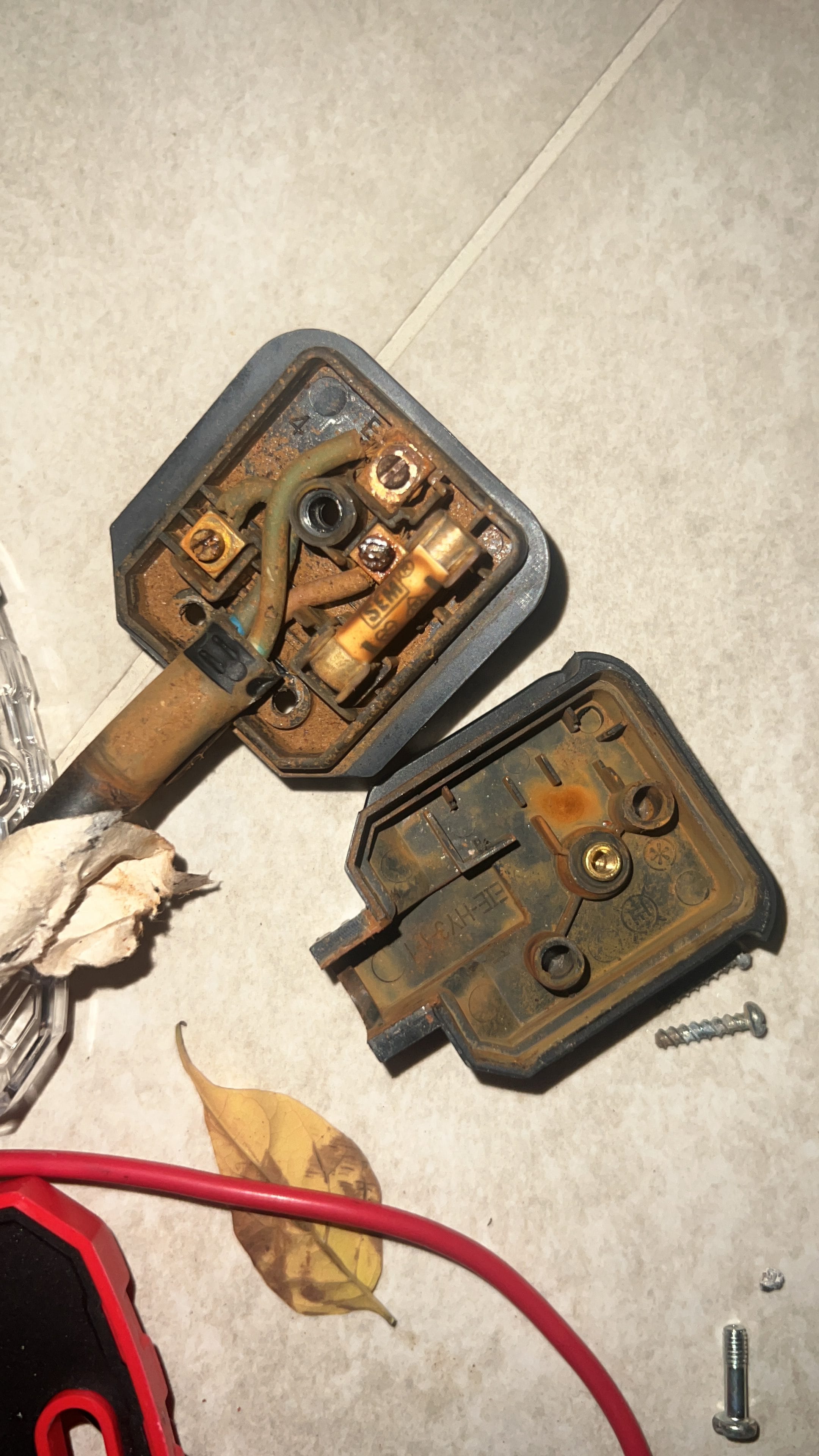
Electrical warning signs need help from a trained professional. These include breakers that trip often and hot plugs. They also include damaged cables and buzzing contactors. Burning smells also signal danger. Water near electrical parts needs prompt attention. Controls that restart without warning also need inspection. Never fix repeated trips by installing a larger breaker. The technician must check the equipment and circuit protection. They must also check terminals, power supply, and installation conditions.
Intermittent faults can be difficult to trace. Heat and moisture may expose loose terminals, weak capacitors or control-board problems. A safety device may also be working correctly because another fault has created an unsafe condition. Record when the failure occurs, such as during startup, after several hours or during the hottest part of the day.
Do not open electrical panels, bypass flow switches or defeat other safety controls. Never work on energized or wet equipment. A cold plunge combines water, refrigeration and electrical systems, so the safe boundary is firm. For cold plunge repair in Dubai, isolate the unit using its normal controls and circuit protection, then arrange a qualified inspection through the relevant repair service.
What a Professional Cold Plunge Repair Visit Should Include
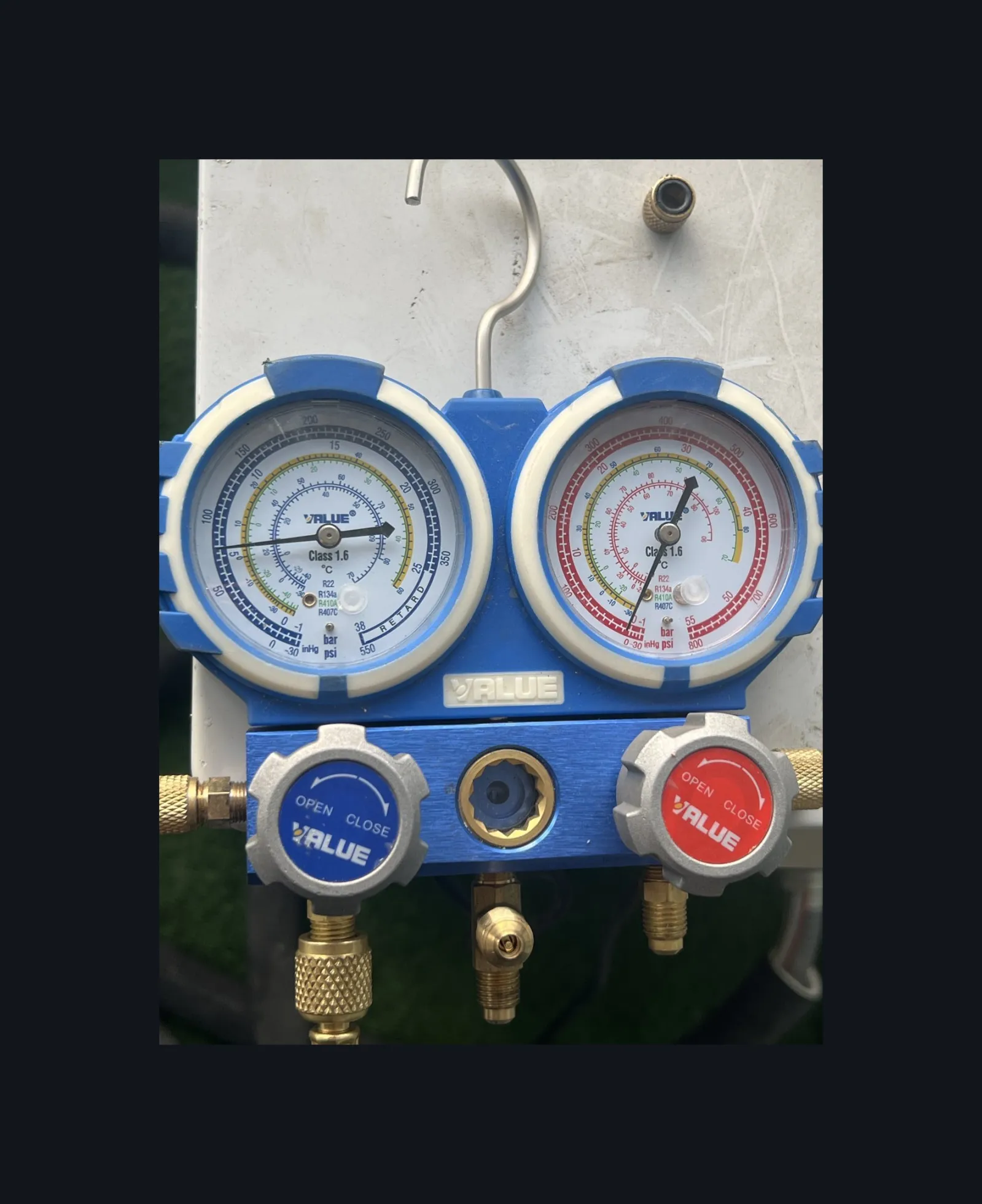
A structured visit starts with a review of the symptom and when it occurs. The technician should then inspect the installation, plumbing, pump, filter and visible wiring. Flow checks, controller review, cooling tests and leak inspection follow. The visit should end with an operational test under realistic conditions.
The whole system must be checked, not just one part. The tub, pump, filter, pipes, chiller, vents, and power work together. A chiller may seem faulty when low flow cuts heat transfer. A good chiller may struggle if hot air stays trapped. Problems can also come from a poor setup for the site.
Useful proof includes the actual water temperature and target setting. It also includes room conditions and temperature changes over time. The technician should note the circulation condition and key electrical readings. They should also record any stored error history. These details make cold plunge repair Dubai findings easier to check. They also reduce guesswork when a fault comes and goes.
Customers should know the difference between call-out checks and routine care. They should also know about part repairs and full replacement. These services have different scopes. A clear quote should state which service is included. It should say if parts are included. It should also list all tests done afterward.
Request a written diagnosis naming the failed part and contributing causes. State the proposed fix and the parts needed. Include warranty status and changes that will prevent the issue recurring. Solutions may include cleaning and restarting the system. Filters or sensors may need replacement. Restrictions may need clearing, and leaks may need repair. Pumps may need service, or an electrical fault may need fixing. Sealed cooling work may require a separate specialist visit.
Cold plunge repair in Dubai should be handled by a provider with experience across both water and cooling systems. Check that the scope is clear, replacement parts are suitable and the completed system will be tested. Euphorium’s documented cases include a Jumeirah Golf Estates cold plunge repair and separate Dubai repair case and cold plunge service record. These case studies show the diagnostic process used when an initial symptom requires checks across more than one part of the system.
Repair, Replace or Rent a Chiller While You Decide?
Your choice depends on the unit’s age and physical condition. Check its cooling power, repair cost, and available parts. Also review its energy use and likely downtime. The first installation matters too. A small or poorly vented chiller may still perform badly. This can happen in Dubai’s hotter weather, even after repairs.
Repair makes sense when the cabinet and heat exchanger remain sound. The unit must be the right size, with parts still available. The problem should affect only a part that can be fixed. Consider replacement after repeat coolant leaks or major compressor damage. Severe rust, old controls, or missing parts also support replacement. Poor results from an undersized system require a full system review.
A 2026 sauna and cold-water immersion study found that adding cold immersion to cooling breaks reduced the measured heat and cardiovascular response compared with cooling in air alone. In plain terms, water temperature and timing changed the body’s response. For a Dubai user combining sauna and cold exposure, that means a chiller must hold the intended temperature consistently. The study does not show that colder is always better.
Another 2026 study comparing cold-water immersion with active recovery found differences in some short-term oxidative stress measures, while post-exercise redox-related gene expression did not differ between the recovery methods. The practical point is that cold exposure is not a single guaranteed outcome. Dubai users should choose a routine for their needs and maintain equipment that can deliver it reliably.
Temporary chiller rental can preserve continuity for gyms, wellness businesses, events or households during a long repair decision. Compare total installed cost, not the equipment price alone. Include plumbing changes, ventilation, electrical work, commissioning and warranty cover.
For a faster cold plunge repair Dubai assessment, send the model, tub volume, location, current temperature, target temperature, symptoms, error codes and clear photographs through WhatsApp. If downtime is critical, ask about cold plunge rental in Dubai.
Frequently asked questions
Why is my cold plunge running but the water is not getting cold?
The cause may be low flow, a dirty filter, or poor airflow. It may also be a wrong setting or faulty sensor. A cooling system fault may also cause the issue. Note the current and target temperatures. Check that water is flowing through the unit. Book cold plunge repair in Dubai if cooling does not restart.
How much does cold plunge repair cost in Dubai?
Repair costs depend on the fault, service location, parts and work needed. Diagnostic, on-site, collection and return charges may apply. The repair quote is prepared after the fault is confirmed. Check the current cold plunge repair service details, then confirm the full scope and latest charges before approving the work.
Can you repair any brand of cold plunge chiller in Dubai?
Repairs depend on the unit’s design, state, parts, and tech details. Euphorium services several well-known cold plunge brands. It also services private Chinese OEM imports. Still, each chiller needs a check before repairs can be confirmed.
Should I switch off my cold plunge if the water stops circulating?
Yes, stop normal operation if circulation has failed. Continued running may leave the pump dry or prevent safe heat transfer. Do not bypass a flow switch or keep resetting the controller.
How quickly can a technician repair my cold plunge in Dubai?
Timing depends on the fault, access, available parts, and cooling work. Clear photos, model details, error codes, and temperatures also help. A clear note about the flow issue helps too. These details help the technician make a faster first check.
Is it better to repair or replace my cold plunge chiller?
Repair often makes sense when the unit is sized right and sound. It should have one clear fault, with parts available. Replacement may suit severe rust, major compressor damage, or repeat refrigerant leaks. It may also suit old controls or a system that is too small. That system cannot reach the target temperature.